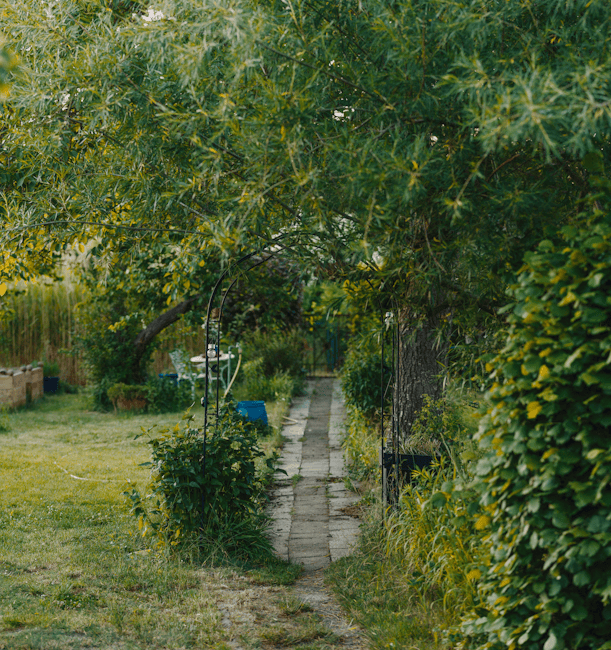
Backyard access issues West Drayton gardeners advice: practical solutions for awkward gardens
If your garden looks fine from the patio but turns into a shuffle, squeeze, or full-on obstacle course the moment a mower, ladder, or bag of hedge cuttings needs to get through, you are not alone. Backyard access issues West Drayton gardeners advice is really about one thing: making sure the work can be done safely, cleanly, and without wasting time or damaging your property. In many West Drayton homes, access is tight, shared, uneven, or blocked by bins, sheds, gates, steps, and the usual bits that quietly build up over the years. The good news? Most access problems can be improved with a calm plan and a few sensible changes.
Below, you will find a straightforward guide to the causes of backyard access problems, the practical fixes gardeners use, and the decisions that help you avoid stress on the day. There's also a checklist, a comparison table, and a realistic example so you can see how it all fits together in real life.
Why Backyard access issues West Drayton gardeners advice Matters
Access is one of those things people underestimate until the first visit. Then suddenly a job that should take an hour takes three, because the mower will not fit through the side gate, the hedge cuttings have to be carried through the kitchen, or the only route to the rear border is across a slippery step and a narrow path. Not ideal, and to be fair, a bit exhausting for everyone involved.
In West Drayton, gardens often sit behind terraced layouts, shared side entrances, compact patios, or narrow passages between buildings. That means the route to the garden can matter almost as much as the garden itself. If access is poor, the ripple effect can include slower work, more manual handling, higher risk of accidental damage, and a messier finish.
There is also a safety angle. A gardener carrying heavy waste bags, sharp tools, or wet materials through a cramped route is more likely to clip walls, trip on uneven paving, or disturb plant beds. You do not want a well-meaning tidy-up turning into a scuffed fence panel or a crushed border, do you?
For bigger jobs, access affects what can realistically be done. It influences whether a team can bring in equipment for landscaping work, whether heavy pruning waste can be removed efficiently, and whether maintenance tasks need to be split over more than one visit. That is why good advice starts before the first cut, not after.
Expert summary: The best backyard access fixes are usually not dramatic. They are the practical ones: clear routes, sensible gate widths, safer surfaces, and a workflow that respects the layout rather than fighting it.
How Backyard access issues West Drayton gardeners advice Works
The process is simpler than most people expect. A good gardener looks at access in the same way a builder or delivery driver might: not just where the garden is, but how everything gets in, out, and around.
Typically, the assessment covers a few basic questions:
- Can people carry tools and waste through the property without obstruction?
- Is there enough width for standard equipment, or will everything need to be hand-carried?
- Are there steps, slopes, slick paving, or low branches that change the risk level?
- Will jobs create waste that needs temporary storage before removal?
- Are neighbouring paths, shared entrances, or boundary features involved?
From there, the practical response usually falls into one of three patterns. First, the access may simply need tidying and clearing. Second, some light adjustments may be sensible, such as gate hardware changes, path clearance, or moving a shed or bin store. Third, the layout itself may need a small redesign to make future work easier.
For example, if a rear garden has a tight route around the side of the house, a gardener might plan the work in a different order so bulky waste is removed before anything else gets in the way. That sounds minor, but it can save a lot of awkward back-and-forth. The same logic applies to hedge trimming, lawn work, or patio cleaning, where the route in and out can be the difference between a neat, efficient job and a frustrating one. If hedges are part of the obstruction, it can also help to review hedge trimming services as part of the access fix itself.
Key Benefits and Practical Advantages
Sorting access properly does more than make a visit smoother. It changes the whole feel of the garden over time.
- Faster work: Less time spent carrying things in awkwardly means more time on the actual garden.
- Lower risk of damage: Clear routes reduce the chance of scratched paint, broken pots, damaged lawns, or bent fence panels.
- Safer handling: Tools, waste, and machinery are easier to move without strain.
- Cleaner results: Waste can be removed more neatly, which matters after pruning, mowing, or border clearance.
- Better long-term maintenance: Once access is easier, regular care becomes more realistic and less of a chore.
There is also a commercial benefit for homeowners who want to keep the garden looking good without a full redesign every few years. A small access improvement now can prevent a lot of repeated hassle later. A narrow passage that is just about tolerable in summer can become a nuisance in winter, when mud, wet leaves, and low light make everything clumsier.
If you have ever watched someone carry a hedge trimmer through a gate that swings back on their shoulder, you will know exactly what I mean. It is not elegant. It is not efficient. And honestly, it is usually a sign the layout needs a rethink.
Who This Is For and When It Makes Sense
This advice is useful for a broad range of homeowners and landlords, but especially for people dealing with one or more of these situations:
- terraced or semi-detached homes with narrow side access
- shared alleyways or communal routes
- gardens with steep steps, slopes, or uneven paving
- properties with large sheds, bins, planters, or stored materials in the way
- back gardens that are difficult to reach with standard machinery
- households planning landscaping, fencing, or repeated maintenance work
It also makes sense if you are considering bigger changes, such as new fencing, replacing tired paving, or improving the feel of a small outdoor area with decking services. In those cases, access is not just a nuisance; it shapes what materials can be brought in and how the project is phased.
Sometimes the issue is temporary. A one-off job may be blocked by a broken gate latch, an overgrown shrub, or a pile of garden waste. Other times it is structural and ongoing. The difference matters. A temporary problem calls for a quick fix; a permanent layout issue needs a more strategic solution.
Step-by-Step Guidance
Here is a practical way to work through backyard access problems without overcomplicating it.
- Walk the route properly. Start at the front entrance and follow the exact path a gardener would take. Notice pinch points, turns, door swings, low branches, and any areas that feel slippery or cramped.
- Measure the narrow bits. You do not need a technical survey. Just get a realistic sense of widths, heights, and turning space. If a mower, wheelbarrow, or waste sack will not fit, that is worth knowing early.
- Remove obvious blockers. Move bins, bikes, toys, plant pots, hoses, and stacked materials. It sounds obvious, but in real gardens these little obstacles are often the main problem.
- Check the surface underfoot. Loose slabs, moss, mud, and worn steps can make access difficult even when the route is wide enough. Slippery access is still poor access.
- Plan work order carefully. If the back garden is the main target, the route should stay open for waste removal and tool movement. That might mean clearing cuttings earlier than usual or working in sections.
- Decide what needs a permanent fix. A wider gate, better lighting, gate hardware adjustment, trimmed planting, or a clear storage area can make a lasting difference.
- Brief the gardener clearly. Tell them about tight corners, coded locks, shared access, pets, neighbours, or times when the route must stay clear. A few minutes of preparation saves a lot of faff later.
If the access issue is linked to overgrown trees or heavy canopy growth, it can be worth looking at tree surgery support before tackling the rest of the garden. Sometimes one branch is doing more damage to access than an entire border.
And if the garden is simply in need of coordinated attention, a broader garden maintenance visit can be the most practical route. One visit, fewer headaches. Nice and clean.
Expert Tips for Better Results
In our experience, the best access improvements are the ones that make routine jobs easier, not just the big one-off project.
- Keep a permanent clear lane. Even a narrow route that stays uncluttered all year is better than a wide route that fills up with storage.
- Use lighter, modular materials where possible. If you are planning changes, think about items that can be carried in smaller parts rather than one heavy load.
- Trim planting near the route. Shrubs, climbers, and hedges creep outward over time. A little restraint near paths prevents many access frustrations. For shape and boundary control, advanced hedge shaping advice can help you keep structure without losing softness.
- Think about waste flow. A garden can look perfectly tidy until the cuttings pile up. Make sure there is a sensible place to stage waste before collection or loading.
- Improve light where it matters. A dim side passage can feel tighter than it really is. Simple lighting or a cleaner surface often makes a surprising difference.
- Leave turning space near the exit. If tools and barrows have to reverse, pivot, or squeeze past furniture, the route is too congested.
One small detail people forget is gate swing. A gate that opens the wrong way can steal precious inches. Sometimes the fix is as simple as adjusting hardware or changing how the gate is held open while work is underway. Not glamorous, I know, but very effective.
For overgrown front-to-back sightlines, a neat boundary can also reduce the feeling of obstruction. That is where dense hedges for privacy can be helpful, provided they are kept in check and do not swallow the access route. Privacy is great. Being boxed in by your own hedge, less so.
Common Mistakes to Avoid
Most access problems become harder because of a few predictable habits.
- Ignoring the route until work day. By then, the team is already on site and delays are more awkward.
- Assuming small tools solve everything. If the route itself is bad, small tools only go so far.
- Blocking access with storage. Bins, pots, compost bags, and furniture often creep into the exact area you need most.
- Underestimating waste volume. A hedge trim, tree prune, or border clearout can produce much more material than expected.
- Forgetting neighbours or shared entrances. Shared spaces need more courtesy and more advance notice.
- Trying to force a large job through a tiny route. If it is clearly not practical, a different method is usually safer and cheaper in the end.
A classic mistake is to think the answer is always "just squeeze through." That works right up until it doesn't. And then you are left with a damaged wall, muddy footprints, or a strained back. Better to be a bit boring at the planning stage than brave at the wrong moment.
Tools, Resources and Recommendations
You do not need a van full of specialist kit to tackle access issues, but a few practical items make life much easier.
| Item | Why it helps | Best use |
|---|---|---|
| Measuring tape | Confirms gate width, path width, and tight corners | Planning access before work begins |
| Wheelbarrow or trug | Moves materials in manageable loads | Small gardens with narrow access |
| Protective coverings | Reduces scuffs and accidental mess | Carrying waste or tools through the home |
| Pruning tools | Clears overhangs that obstruct routes | Hedges, shrubs, and boundary plants |
| Pressure washer or stiff brush | Improves grip on slippery paving | Steps, paths, and patio access |
For gardens that feel cramped because they are cluttered as much as narrow, a simple rethink of layout often helps more than more kit. That is where a sensible garden layout plan can be useful, especially if the access route doubles as a storage or service area.
Useful, everyday resources also include a clear site plan, good photos taken before the work starts, and a short note listing access quirks. If you are booking help for routine care, ask whether the team needs the route cleared in advance or whether they can adapt around the layout. A little clarity saves a lot of guesswork.
For ongoing upkeep, some homeowners combine access improvements with more structured care, including lawn mowing support or a broader gardening services visit so the whole garden stays manageable rather than sliding back into bottlenecks.
Law, Compliance, Standards, or Best Practice
This topic does not usually involve heavy regulation, but it does benefit from sensible best practice. In the UK, access routes should be planned with safety, neighbour relations, and property boundaries in mind. If shared paths, party boundaries, or adjacent plots are involved, it is wise to keep communication clear and avoid making changes that could affect someone else's access or drainage without agreement.
For work involving tools, waste, steps, or potentially slippery surfaces, the key expectation is simple: reduce avoidable risk. That means keeping routes tidy, using equipment appropriately, and not asking people to carry heavy loads through unstable or unsafe spaces. If access crosses a communal or rented area, it may also be worth checking house rules or landlord expectations before altering gates, locks, or boundaries.
There is also a practical duty of care. If a gardener is working at your home, the route provided should be reasonably safe and clear. That does not mean perfect, but it should not be a booby trap of loose slabs and hidden hose pipes either. Best practice is usually just common sense, backed by good communication.
Options, Methods, or Comparison Table
Different access fixes suit different gardens. Here is a simple comparison to help you decide what is worth doing first.
| Method | Best for | Pros | Limitations |
|---|---|---|---|
| Clear the route temporarily | One-off jobs and seasonal work | Quick, cheap, immediate | Does not solve the underlying layout |
| Trim or remove overhanging growth | Narrow paths with plant obstruction | Improves movement and light | May need repeat maintenance |
| Adjust gate or access hardware | Gate pinch points and awkward swing | Can make a big difference in a small space | May require basic installation work |
| Rework hard landscaping | Persistent narrow or unsafe access | Long-term improvement | More planning and investment needed |
| Use staged work planning | Complex gardens with bulky waste | Reduces congestion and stress | Needs careful coordination |
For many West Drayton homes, the right answer is a mix of the first three. Clear the route, prune back what intrudes, and make the gate less fiddly. Only move into larger changes if the issue keeps returning.
Case Study or Real-World Example
Picture a typical rear garden reached by a narrow side passage beside the house. There is a wheelie bin, two bikes, a hose reel, and a hedge that has slowly pushed into the walkway. The garden itself is not huge, but it has been neglected long enough that even a routine tidy-up feels awkward.
In a case like this, the smartest first move is not to start cutting straight away. It is to clear the access route, move obstacles to one side, and trim the hedge back before any major waste is produced. Once the lane is open, the job becomes simpler immediately. Bags can come out more easily, tools can move safely, and the finish is cleaner because people are not constantly stepping around clutter.
That same garden might then benefit from a more durable solution. A better gate latch, a dedicated storage spot for bins, and a lighter maintenance schedule can stop the problem coming back. If the space is being reshaped too, patio cleaning can also improve movement by making the main working area safer and less slippery.
It is a modest example, but that is often how real garden improvements happen: not with one grand transformation, but with a series of practical fixes that remove friction. You notice the difference the next time someone has to get from front to back with a bag of cuttings in one hand and a tool in the other.
Practical Checklist
Use this checklist before a gardener arrives or before you start any rear-garden work yourself.
- Clear the full route from street or driveway to the back garden
- Move bins, bikes, toys, plant pots, and loose furniture
- Check gate width, opening direction, and latch condition
- Look for slippery paving, uneven steps, or loose slabs
- Trim back growth that leans into the access path
- Decide where waste will be stacked temporarily
- Keep keys, codes, or access instructions ready
- Tell neighbours if shared access will be used
- Protect indoor floors if material must pass through the house
- Confirm which areas should stay untouched during the job
One small extra: if dogs are part of the household, plan where they will stay while access routes are open. A curious dog and a wheelbarrow do not mix well. Ask anyone who has tried. Not ideal.
If you are looking to improve the garden more broadly, it may help to think about structure as well as access. A well-placed fence, for example, can guide movement and define workable zones. Likewise, a little more thought around seating areas can keep furniture out of the access line in future.
Get a free quote today and see how much you can save.
Conclusion
Backyard access issues are rarely glamorous, but they shape everything that happens in the garden. When the route is clear, work feels easier, safer, and less disruptive. When it is blocked, even simple tasks start to feel heavier than they should.
The best advice for West Drayton gardens is usually practical, not dramatic: clear the path, reduce pinch points, keep waste flow in mind, and make the layout work with the job rather than against it. That approach saves time now and makes future maintenance much less of a headache. And honestly, that is what most people want anyway - a garden that feels calm to use, not complicated.
When access is sorted, the whole space breathes a bit better. You notice it in the small things: less dragging, less dodging, less mess. Just a smoother day all round.
Frequently Asked Questions
What are the most common backyard access problems in West Drayton?
The most common issues are narrow side passages, tight gates, uneven paving, overgrown planting, shared entrances, and storage that blocks the route to the back garden.
Can gardeners work in a garden if access is very narrow?
Usually yes, but the job may need to be planned differently. Smaller tools, staged waste removal, and a clear route can make a narrow access point workable.
Should I clear the access route before the gardener arrives?
Yes, if you can. Moving bins, bikes, pots, and garden furniture out of the way saves time and helps prevent accidents or damage.
Do access problems make garden work more expensive?
They can, especially if the job takes longer or needs extra handling. That said, a small amount of preparation often reduces the extra cost significantly.
What if my hedge or shrubs are blocking the path?
Then trimming them back is usually a sensible first step. In some cases, it may be worth combining the access fix with broader hedge work so the problem does not return quickly.
Is it better to fix access temporarily or permanently?
If the issue is only for one visit, a temporary clear-up may be enough. If you keep having the same problem, a permanent change such as a wider gate, better storage, or improved layout is usually worth considering.
What should I tell a gardener before they visit?
Tell them about narrow points, shared paths, gate codes, pets, slippery areas, and anything you do not want disturbed. The more they know, the smoother the visit will be.
Can access issues affect landscaping or bigger garden projects?
Absolutely. Access influences what materials can be brought in, how waste is removed, and whether a project needs to be split into stages. That is why access should be planned early.
How do I make a side passage safer for garden work?
Keep it clear, dry, and well lit. Fix loose slabs, remove clutter, and cut back anything that brushes the shoulders or blocks the hands.
Do I need permission to change a shared access route?
If the route is shared or affects a neighbour's use, it is sensible to discuss it first. For rented homes or properties with communal areas, checking expectations before making changes is wise.
What is the quickest improvement I can make today?
The quickest win is usually clearing the route and removing anything that narrows the passage. That alone can turn a difficult garden into a much more manageable one.
When should I call in professional help?
If access is blocked by overgrowth, broken boundaries, awkward levels, or a layout that keeps causing problems, professional help is often the best next step. It saves time and usually prevents avoidable mistakes.