Emergency Tree Clearance Gardeners West Drayton Problems: What To Do When A Garden Emergency Turns Messy
When a tree comes down across a drive, leans after a storm, or starts shedding heavy limbs over a path, the situation can change in minutes. That is where Emergency tree clearance gardeners West Drayton problems become very real: blocked access, broken fences, damaged turf, safety worries, and a garden that suddenly feels like a hazard rather than a place to enjoy. In West Drayton, where homes often sit close together and many gardens have tight side access, even a small tree issue can create a surprisingly big headache.
This guide explains what emergency tree clearance actually involves, how the process works, what problems to expect, and how to make sensible decisions under pressure. You will also find a practical step-by-step response, a checklist, and a plain-English look at best practice. If you need broader garden support after the immediate danger has passed, it can also help to understand the scope of garden care support in West Drayton and how it connects with professional tree surgery services.
Expert summary: In an emergency, the right goal is not perfection. It is safe access, controlled clearance, and prevention of further damage. Clear the danger first, tidy the site second, and rebuild the garden third.
Table of Contents
- Why Emergency Tree Clearance Matters
- How Emergency Tree Clearance Works
- Key Benefits and Practical Advantages
- Who This Is For and When It Makes Sense
- Step-by-Step Guidance
- Expert Tips for Better Results
- Common Mistakes to Avoid
- Tools, Resources and Recommendations
- Law, Compliance, Standards, or Best Practice
- Options, Methods, or Comparison Table
- Case Study or Real-World Example
- Practical Checklist
- Conclusion
- Frequently Asked Questions
Why Emergency tree clearance gardeners West Drayton problems Matters
Tree emergencies are not just about a fallen trunk. They often involve a chain reaction of smaller issues: blocked entrances, cracked paving, tangled branches in hedges, crushed planting beds, and broken sections of timber fencing. In a place like West Drayton, where many gardens are compact and neighbours are close by, these issues can spread quickly from one boundary to another. One heavy branch can damage a fence panel. One leaning tree can press on a shed roof. One fallen limb can make a patio unusable until it is made safe.
There is also the timing issue. Storm damage does not wait for office hours. Wind, saturated soil, and weakened roots can turn a manageable problem into an urgent one overnight. To be fair, most people do not realise how much hidden strain a tree can carry until it starts making a cracking sound in the wind. That is the point where hesitation becomes costly.
Emergency clearance matters because it reduces risk before the problem gets worse. It also protects nearby structures, keeps walkways open, and stops further impact from rain, wind, or foot traffic. If the tree has affected other parts of the garden, you may later need follow-up work such as fence repair and replacement, landscape restoration, or even patio cleaning once debris has been removed.
There is another reason it matters. A garden emergency can be emotional. People often feel rattled, especially if a tree has come down near a bedroom window or a family path. Having a clear plan calms the situation. It gives you something concrete to do next, rather than standing in the rain wondering where to begin.
How Emergency tree clearance gardeners West Drayton problems Works
Emergency tree clearance is usually a controlled sequence, not a single job. The aim is to make the area safe, remove the immediate obstruction, and leave the site stable enough for proper follow-up work. In practice, that can mean anything from cutting away a dangerous branch to dismantling a fallen tree in sections.
Typical response sequence
- Initial assessment: The gardener or tree specialist checks what has failed, what is still under tension, and whether the tree is unsafe to approach.
- Safety perimeter: The work area is kept clear so nobody walks under hanging limbs or unstable timber.
- Controlled dismantling: Large branches or trunk sections are removed piece by piece, rather than pulled or rushed.
- Clearance and haul-away: Debris is stacked, loaded, and removed, with particular care around lawns, planting borders, decking, or gates.
- Site tidy and inspection: The area is checked for hidden hazards such as stumps, roots, broken glass, damaged rails, or uneven ground.
That sounds straightforward, but the tricky bit is judging what can be left alone and what cannot. A tree that merely looks untidy may still be structurally stable. Another tree that looks only slightly bent may have a cracked root plate and be unsafe. This is why emergency jobs should not be treated like routine pruning. Different job, different rules, very different risks.
In many cases, the team will also think about the garden as a whole. If branches have torn through screening plants or hedges, later follow-up may involve hedge trimming to restore privacy and shape. And if debris has left the lawn patchy and flattened, the next sensible step could be lawn mowing and recovery work once the surface is safe again.
Key Benefits and Practical Advantages
The biggest benefit is obvious: safety. But there are several other advantages that people often only notice afterwards.
- Reduced immediate danger: Hanging limbs and unstable stems are dealt with before they fall on someone or something.
- Less collateral damage: Controlled removal helps protect nearby paving, fences, sheds, decking, and planting beds.
- Faster normal use of the garden: You can get back to using paths, gates, and outdoor space sooner.
- Cleaner recovery path: Once the emergency is cleared, it is much easier to plan repair, replanting, or redesign.
- Better decision-making: When the site is safe, you can make calmer choices about stump work, replacement planting, or structural fixes.
There is a practical side too. Emergency work often exposes other issues that were hidden before the incident. You might discover a weak fence line, poor drainage near the root zone, or a border that needs reworking. In a way, the emergency can be a wake-up call, though not exactly the kind anyone wants.
That is where connected services can matter. If the incident has damaged hard landscaping, a follow-up conversation about decking services or patio restoration may be more sensible than simply clearing the debris and hoping for the best.
Who This Is For and When It Makes Sense
Emergency tree clearance is not only for dramatic storm damage. It can be the right call for several everyday situations:
- a branch is hanging low over a walkway after high winds
- a tree is leaning in a way that looks new or worsening
- roots have lifted paving or disturbed a boundary line
- fallen branches are blocking access to bins, gates, or parking
- a tree has split and one section is still attached
- there is damage to fencing, sheds, or garden structures
It also makes sense for landlords, property managers, and homeowners preparing to hand over a property. Let's face it, a garden with a dangerous tree problem is hard to ignore, and it tends to become everyone's problem very quickly. If the work has to be done before photos, viewings, or neighbour access, speed matters even more.
Families with children or pets need to be especially careful. A broken branch on the ground may look harmless, but if it is under tension or partly wedged, it can move unexpectedly. If the garden is shared with dogs, the risk profile changes again, and a safer layout may be needed once the emergency is handled. For longer-term improvements, some people also look at regular garden maintenance so problems do not build up quietly over time.
Step-by-Step Guidance
Here is a practical way to handle the situation from the first sign of trouble to the point where the garden is back under control.
- Stay away from unstable trees or branches. If anything is cracking, swaying heavily, or leaning against a structure, keep clear.
- Check for immediate danger. Look for blocked exits, damaged power lines, broken glass, or collapsing fences. If anything electrical is involved, keep extra distance and treat it as urgent.
- Take a few photos from a safe spot. This helps with later assessment, insurance conversations, and before-and-after records.
- Stop anyone using the area. That means children, pets, neighbours, and anyone tempted to "just have a quick look."
- Contact a suitably experienced team. Use a service that understands emergency tree work and garden clearance, not just general tidy-ups.
- Explain the exact problem clearly. Mention whether the tree is fallen, split, leaning, blocking access, or damaging structures.
- Ask what will be removed and what may need follow-up. Emergency work may solve the danger, but not the full garden repair.
- Request a clear plan for waste removal. A tidy site is part of the job, not an optional extra.
- Once safe, assess the garden damage. This is when you decide on fence repair, planting replacement, turf repair, or landscaping changes.
A small but important detail: if the tree is causing damage to a hedge line or screening area, it may affect privacy as well as safety. In that case, it can be worth looking at nearby planting solutions like fast-growing privacy hedges after clearance is complete.
Expert Tips for Better Results
Emergency work improves a lot when the first decisions are calm and practical. Here are the habits that tend to save time and reduce mess.
- Do not cut blindly. A branch under load can spring or twist when cut. Controlled cuts matter.
- Protect the garden surface early. Boards, mats, or careful access routes help reduce ruts on lawns and beds.
- Keep the main path clear. It sounds obvious, but a clear route makes the whole job smoother and safer.
- Separate salvageable material from waste. Some branches may be useful for composting or habitat work later, while damaged timber may need removal.
- Think two steps ahead. If a tree came down because of root failure, ask whether the surrounding area needs drainage or soil improvement.
Another useful tip is to look at the wider garden context. A tree emergency may expose weak spots elsewhere, such as cramped beds, poor wind protection, or overgrown neighbouring plants. If you are already planning a garden refresh, it can be smart to combine the clearance with broader improvements through landscaping support or even a tidy-up of structural features like boundary fencing.
And one more thing: do not feel bad if the garden looks a bit rough afterwards. That is normal. After a proper clearance, the site often needs a day or two to settle before you can see the full picture. In the late afternoon light, when the debris is gone and the air has that damp-wood smell, it is easier to judge what really needs doing next.
Common Mistakes to Avoid
People make the same mistakes again and again during tree emergencies. Avoiding them can save a lot of trouble.
- Trying to clear a dangerous tree alone: This is the big one. DIY can be fine for light garden tidying, but not for unstable timber.
- Standing beneath hanging branches: A branch can shift without warning. Looking is not the same as being safe.
- Rushing the cut: Fast cuts are often bad cuts when tension is involved.
- Forgetting hidden damage: The tree may be gone, but a lifted slab, cracked fence post, or damaged decking board may still be unsafe.
- Ignoring follow-up care: Clearing the emergency is step one, not the finish line.
People also sometimes forget the garden's aftercare. A tree emergency can leave soil compacted, turf bruised, and surrounding plants stressed. If the lawn has taken the brunt of the impact, proper recovery may mean more than a quick mow. A healthier finish may involve lawn care planning once the area is stable again.
There is a quieter mistake too: assuming the problem is just cosmetic. In real life, a split trunk or leaning root plate can be a warning sign, not merely an eyesore. Trust that instinct when something feels off.
Tools, Resources and Recommendations
For emergency clearance, the right tools depend on the situation, but the priority is always control and safety. Typical professional equipment may include:
- chainsaws and cutting tools suited to controlled sectional work
- rigging gear for lowering heavy material safely
- protective clothing and eye protection
- stabilisers, ropes, or support tools for awkward sections
- wheelbarrows, chippers, or loading equipment for removal
- ground protection to reduce damage to lawns and paving
From a homeowner point of view, the most useful "resource" is often information. Know where the fallen material is, what it hit, and whether any access routes are blocked. Make a mental note of smells, sounds, or visible movement. A fresh crack, a hollow sound, or a root plate lifting in the soil can all tell a clearer story than the leaves do.
For future resilience, some gardens benefit from a broader tidy and maintenance plan. A balanced programme might include seasonal trimming, debris removal, and general upkeep through ongoing gardening services. If the garden has a lot of perimeter planting, you may also want to read about shaping hedges neatly and safely so boundary growth stays manageable.
Law, Compliance, Standards, or Best Practice
This kind of work sits in a space where safety, property responsibility, and practical care all matter. In the UK, tree work should be approached carefully, especially when there may be boundary disputes, protected trees, nesting birds, or nearby utilities. I am keeping this deliberately plain: if there is any doubt about ownership, protection status, or site safety, it is wiser to pause and get proper guidance before cutting.
Best practice usually means:
- working only when the area is made safe to approach
- using appropriate protective equipment
- keeping clear records or photos when damage is significant
- checking whether the tree could be subject to protection or special conditions before non-urgent removal
- avoiding reckless cutting near buildings, overhead lines, or unstable roots
Where insurance is involved, clear documentation helps. That does not mean a mountain of paperwork. Just a few sensible photos, an honest description of the incident, and a record of what was removed can make life easier later.
If you are unsure whether a tree should be cleared immediately or assessed first, err on the side of caution. A safe pause is better than a rushed mistake. Every time.
Options, Methods, or Comparison Table
Not every tree problem needs the same response. Sometimes the right action is a controlled branch removal. Sometimes it is full sectional dismantling. Sometimes the problem is mostly the aftermath, and the tree itself is already safe.
| Approach | Best for | Pros | Limitations |
|---|---|---|---|
| Minor branch clearance | Broken or loose limbs with no major structural failure | Fast, targeted, less disruptive | Not suitable for unstable trunks or root failure |
| Sectional dismantling | Fallen, leaning, or split trees near structures | Controlled, safer around fences, sheds, and paths | Usually takes longer and needs more equipment |
| Full site clearance | Severe storm damage or large obstructions | Removes the emergency completely | More debris, more follow-up restoration |
| Clearance plus garden repair | Cases where the tree has damaged lawn, paving, borders, or fencing | Better long-term result for the property | Requires more planning and coordination |
The right choice depends on the damage pattern, access, and what the tree has hit. For example, a fallen tree across a patio might need a different approach from a broken limb hanging over a hedge. If soft screening plants have been crushed, follow-up planting or climber work may make sense. You might even use a moment like this to rethink the garden's structure with vertical planting ideas once the urgent mess is gone.
Case Study or Real-World Example
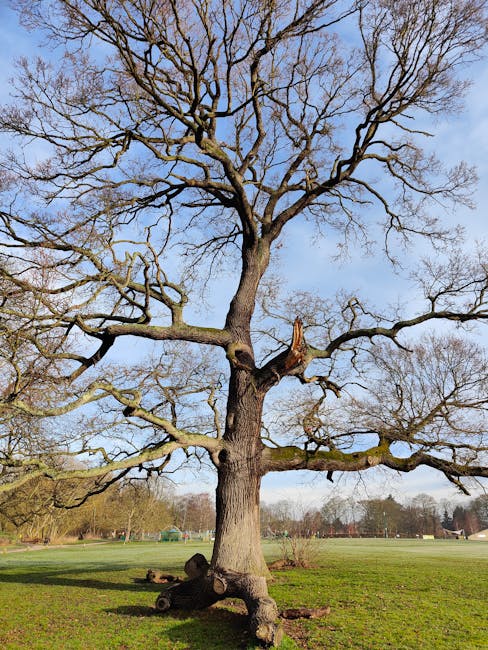
Here is a typical West Drayton-style scenario. After a windy night, a medium-sized tree in a back garden partially splits and leans over the boundary fence. The trunk is still attached at the base, but one heavy limb has dropped across the lawn and cracked a fence panel. The side access is narrow, the patio is blocked, and the family wants the garden safe before school pickup the next morning.
The sensible response is not to drag the limb away by hand or cut random pieces from underneath. First, the unsafe area is kept clear. Then the tree is assessed for tension and access. The damaged limb is removed in controlled sections, the remaining unstable timber is made safe, and the site is cleared so the path, patio, and gate can be used again.
What happens next is just as important. The fence damage is documented, the lawn is inspected for compaction and ruts, and the garden is checked for any further leaning or hidden root problems. In many cases, the tree clearance reveals a slightly bigger issue than expected: a boundary line that also needs attention, or a tired garden layout that no longer sheds water well after heavy rain. That is where services like fencing repair or garden redesign support become part of the recovery, not just extras.
A small real-world lesson from situations like this: the garden usually recovers better when the immediate clearance is followed by a calm, staged plan rather than one big rushed tidy-up. A little patience goes a long way.
Practical Checklist
Use this checklist when you are dealing with emergency tree clearance and want to stay organised.
- Keep everyone away from the unstable area
- Check for blocked exits, broken glass, or hidden hazards
- Take safe photos before anything is moved
- Note whether the tree is leaning, split, fallen, or under tension
- Protect access routes where possible
- Arrange emergency clearance with an experienced team
- Ask what debris will be removed and what stays on site
- Inspect nearby fencing, decking, patios, and paving after clearance
- Plan repair work for any damaged garden features
- Allow time for the garden to settle before deciding on final improvements
If the storm or collapse was severe, do not be surprised if the garden looks a bit raw for a while. That is normal. Recovery tends to happen in layers, not all at once.
Conclusion
Emergency tree clearance gardeners West Drayton problems are really about one thing: turning a dangerous, messy moment into a manageable process. The key is to stay calm, keep people away from the hazard, and treat the job as both a safety issue and a garden recovery job. Once the immediate danger is removed, you can start thinking clearly about repairs, planting, and the longer-term shape of the space.
In West Drayton, where outdoor space is often close to the house and every metre matters, a quick and careful response can save time, money, and a fair bit of stress. More importantly, it gives you back a garden that feels like yours again. Not perfect, maybe. But safe, usable, and ready for the next step.
If your garden needs more than a one-off clearance, it is usually worth speaking to a team that can handle both the emergency and the follow-up work. That makes the whole process smoother, and frankly, less of a headache.
Get a free quote today and see how much you can save.
Frequently Asked Questions
What counts as an emergency tree clearance problem?
Anything that creates immediate danger or blocks access can count, including fallen trees, split trunks, hanging branches, leaning stems, or damage to fences, paths, or buildings.
Should I try to move a fallen branch myself?
Not if it is heavy, under tension, or close to a structure. What looks light can still snap, roll, or shift. If in doubt, leave it alone and get help.
How quickly should emergency tree clearance happen?
As quickly as possible once the area is made safe. If there is risk to people, access, or property, it should be treated as urgent rather than left for later.
Can a tree be cleared without damaging the garden further?
Sometimes yes, but careful access and controlled removal are essential. A good team will try to minimise damage to lawns, paving, borders, and nearby features.
What if the tree has damaged my fence as well?
That is very common. After clearance, you may need fence repair or replacement, especially if the tree hit a boundary panel or post.
Do I need tree surgery or just clearance?
If the issue is an immediate hazard, clearance comes first. Tree surgery may be needed afterwards if there is a remaining structural concern or a damaged but standing tree.
What happens to the waste after emergency clearance?
Usually it is stacked, loaded, and removed as part of the job. In some cases, smaller material may be sorted for later reuse, but the main aim is a safe, tidy site.
Will insurance need photos?
It often helps to keep clear photos before the site is disturbed. That record can support any later discussion about damage or repairs.
Can emergency tree clearance be done in bad weather?
Sometimes, but only if conditions and safety allow it. Severe wind, lightning, or very poor visibility can change what is sensible on the day.
What if the tree is near a neighbour's boundary?
That adds another layer of care. It is best to keep communication calm and clear, and to avoid cutting anything that could affect someone else's property without confirming the situation first.
How do I stop this happening again?
Regular inspection, seasonal pruning, and general garden maintenance all help. A healthy tree in a well-managed space is far less likely to become a sudden problem.
Can I combine emergency clearance with a wider garden refresh?
Yes, and that is often a smart move. Once the immediate danger is gone, you can look at landscaping, turf repair, hedging, or even a cleaner layout for easier future maintenance.